











Family & Caregiver Wellbeing
7 Reasons Why P3 is the Place to Be at AAED

If you’ve ever wished you had a group of people who have your back on this autism journey—people who get it, who cheer for your child like their own, and who will absolutely show up with glitter, snacks, and a sign-up sheet—then you’re going to love P3. Welcome to P3 at AAED: The Parent Partnership…
Read MoreOur Students’ Safety Comes First

The safety of kids with autism has always been an essential part of a school’s climate. Creating a safe learning space for every student is essential, whether they are traditional students or those with special needs. Autistic kids have a distinct set of behaviors and qualities that require a safe and supportive learning environment. The…
Read MoreAutism Parenting & Mental Health: How to Cope w/ Depression

Anthony KaDarrell Thigpen E-mail: AnthonyKaDarrellThigpen@gmail.com AUTISM ACADEMY – Research proves that 50-percent of mothers of children with autism are prone to depression. Unfortunately, mothers must maneuver the uncertain landscape of predicting how well their child will perform with life skills. These ambiguities leave mothers vulnerable to depression, according to a new study conducted by…
Read MoreHow Educators of Children with Autism Support Behavior
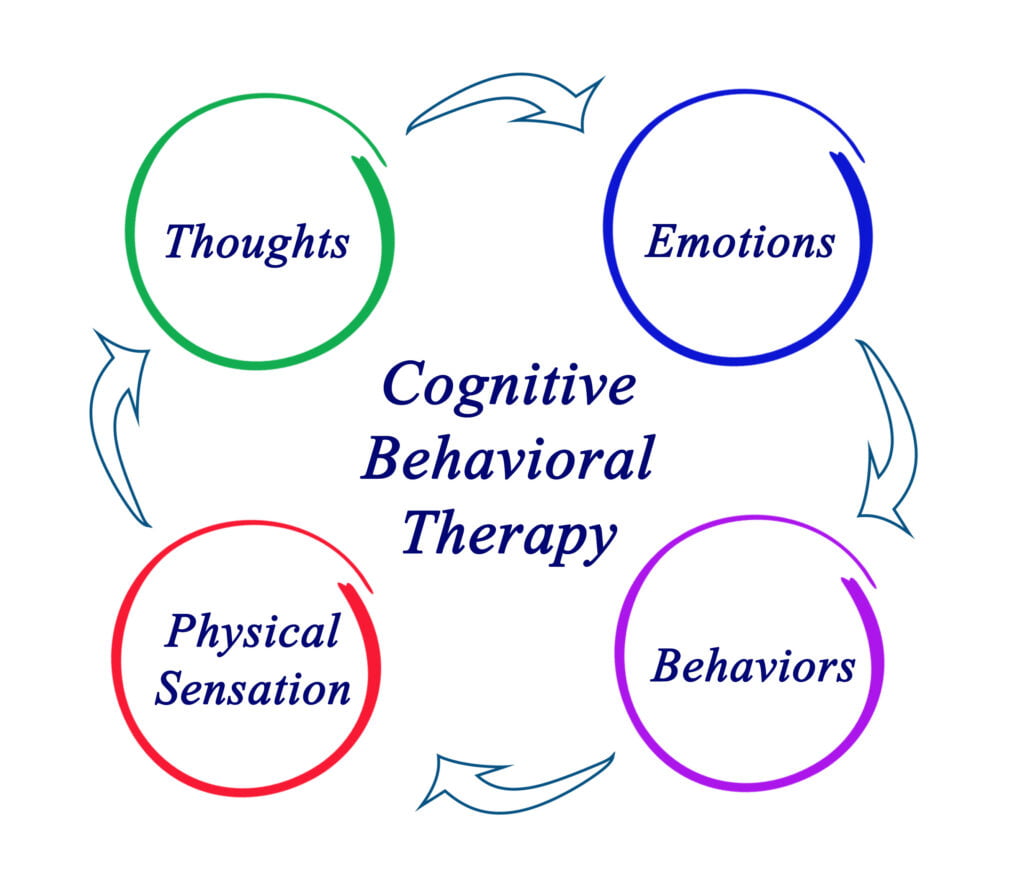
By Anthony KaDarrell Thigpen E-mail: Anthony_Thigpen@aol.com AUTISM ACADEMY – Parents of children with autism sometimes face frustrating challenges trying to take a traditional approach to discipline. This is why the Autism Academy sees behavioral excellence as a critical part of their mission. The Autism Academy utilizes several methods to modify and teach replacement behaviors. According…
Read MoreHOME AWAY FROM HOME: Parents Brand Autism Academy as Second Family

By Anthony KaDarrell Thigpen E-mail: Anthony_Thigpen@aol.com AUTISM ACADEMY – Since 2013, the Autism Academy gains parent support from a dedicated group of volunteers. This passionate group of hardworking helpers at our autism schools are called the Parent Partnership Program (P3), which is similar to the Parent and Teacher Organization (PTO) in public schools. Each campus,…
Read MoreWHAT’S ON YOUR MENU: The Autism Spectrum Disorder and Diet

By Anthony KaDarell Thigpen Email: Anthony_Thigpen@aol.com AUTISM ACADEMY – The Autism Academy isn’t only focused on the education for children with autism, we also want to share information about autism education. In today’s blog, we’ll go over the correlation between autism and the diet. Diet is just as important for you as it is for…
Read MoreAutism & Mental Health: Wrestling With The Worries Of Autism

By Anthony KaDarrell Thigpen E.mail: Anthony_thigpen@aol.com AUTISM ACADEMY – At the Autism Academy, a school for children with autism, we know how autism impacts families. Stress seriously affects the quality of life for people with autism and their families. Stress significantly impacts all aspects of life, from school, jobs, physical and mental health, to relationships…
Read MoreAutism-Friendly Entertainment Options for Children
As we’ve previously discussed, finding family-friendly entertainment and cultural outlets for families that have a child with autism can often be quite a challenge. After all, going to the movies—especially 3D ones—can be extremely overwhelming in both the visual and aural bombast that accompanies most major films these days. In addition, going to musical events…
Read MoreFinding the Perfect Diet: Gluten, Casein, and Autism
While a lot has been made of gluten-free diets and more people are aware than ever of the realities of gluten-based allergies, there is still an ongoing understanding of just what effects gluten, and to a lesser extent, Casein, have on the behavior of a child with autism. While many parents do get allergy testing…
Read MoreFollow Your Gut: The Stomach May Be Key To Unlocking Autism
While researchers, educators, and advocates have made significant inroads to helping to treat autism in the sixty years since the disorder was first identified, there still remains two crucial questions about a disorder that effects nearly seventy million people worldwide: what is its cause and how can we cure it? A recent article published by…
Read More