













The Spectrum

Taking the Stress Out of Holiday Mealtimes: Helping Your Child with Autism Explore New Foods
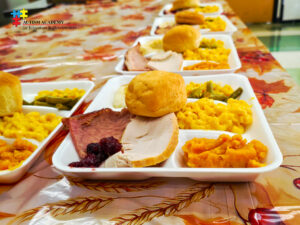
The Holiday season is a time of getting together with family and friends to be together and celebrate. Between unfamiliar aromas, bustling dining rooms, and dishes that only appear once a year, holiday meals can quickly overwhelm a child’s sensory system. By understanding what makes these new foods feel so daunting and shifting our approach from pressure to gentle curiosity, you can create a welcoming, stress-free table where every child feels genuinely safe, included, and understood.
Understanding the “Why”: Sensory Safety and Predictability
To help your child expand their palate, it helps to first understand what makes unfamiliar foods feel so overwhelming. For many individuals on the spectrum, food aversions are deeply rooted in sensory processing, says Jenny Sevier, Director at the Autism Academy for Education and Development.
- Sensory Overload: Unfamiliar smells, intense flavors, and unpredictable textures can trigger an immediate, involuntary physical reaction. Just as an adult might gag at an unexpected piece of gristle, a child with autism can genuinely feel sick to their stomach when confronted with a texture their brain registers as unsafe.
- The Comfort of “Safe Foods”: There is a very logical reason why so many kids with autism gravitate toward prepackaged snacks or specific fast-food items. It’s about predictability. Knowing the breading, seasoning, and texture will be identical every single time gives comfort.
Special occasions and holidays naturally disrupt predictability. Foods are prepared differently or only served once a year. When we recognize their hesitation is a protective response to the unknown, we can meet them with empathy instead of frustration.
Practical, Low-Pressure Ways to Encourage Food Exploration
To get your child with autism to explore new foods follow this one foundational principle: Never turn eating into a battle of wills. What a child puts into their mouth is one of the few things in their world they have complete control over. Forcing a bite creates a negative mental feedback loop that makes them far less likely to try that food in the future.
Instead your goal is to build positive, stress-free experiences around food. Here is how you can gently open the door to curiosity:
- Separate Exploration from Eating
Take the expectation of swallowing completely off the table. Offer a tiny portion of a new food on a separate, small side plate—not mixed in with their familiar items. Let them poke it with a fork, smell it, or simply tolerate it sitting nearby. When children know they have the autonomy to decide if and when something goes into their mouth, the anxiety melts away, and genuine curiosity has room to grow.
- Host a Low-Stakes “Sensory Play” Session
For younger children, formal dining rules can get in the way of comfort. Try introducing holiday or unfamiliar foods in a completely playful setting away from the main dinner table. Put on an old t-shirt or raincoat, set out small bowls of mashed potatoes or rolls, and let them squish, shape, and explore the textures with their hands—almost like Play-Doh. Removing the pressure to eat turns scary food into a fun sensory activity.
- Invite Them Into the Kitchen
Children are significantly more willing to taste something they helped create. Involving your child in food preparation—whether they are mashing potatoes, rolling out dough, or stirring ingredients—gives them a sense of ownership and lets them get comfortable with smells and textures long before mealtime begins.
- Normalize Safe Foods at the Family Table
Although it requires a little more effort, there is zero harm in making sure your child has something reliable to eat during a big family gathering. Popping a batch of their favorite nuggets into the air fryer alongside the holiday roast doesn’t mean you are giving up. Having your loved one’s safe food means you are ensuring your child feels safe, included, and fed. Serving a full plate of safe foods next to a small “exploration plate” keeps the focus on enjoying each other’s company.
Adjusting Your Approach as Your Child Grows
How you celebrate small victories should evolve alongside your child:
- For Younger Kids: Warm, enthusiastic praise goes a long way. Celebrating the moment they touch, smell, or taste something new reinforces that trying is a positive, joyful experience.
- For Teens and Young Adults: Older kids are often deeply aware of their food aversions and may feel embarrassed if you draw public attention to what is on their plate. Respect their dignity by keeping things low-key at the table. Take mental note of their bravery, and save your encouragement for a quiet, private conversation later when they feel comfortable talking about it.
As you navigate future meals and family gatherings, hold onto this guiding truth: Connection always matters more than consumption.
There may be certain textures or foods your child with autism never enjoys, and that is completely okay. Every single one of us has personal food preferences. Trading pressure for patience, and by empowering your child to explore at their own pace, you are helping them build a healthier relationship with food and show them that the family table is a place where they are unconditionally understood, respected, and safe.